

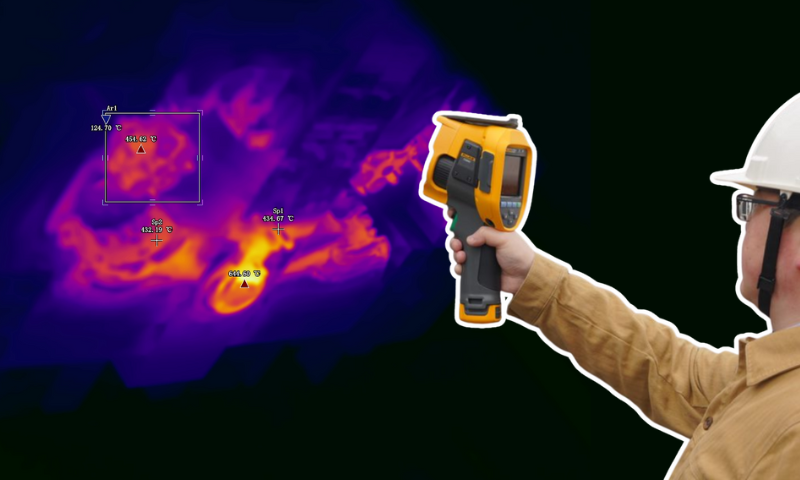
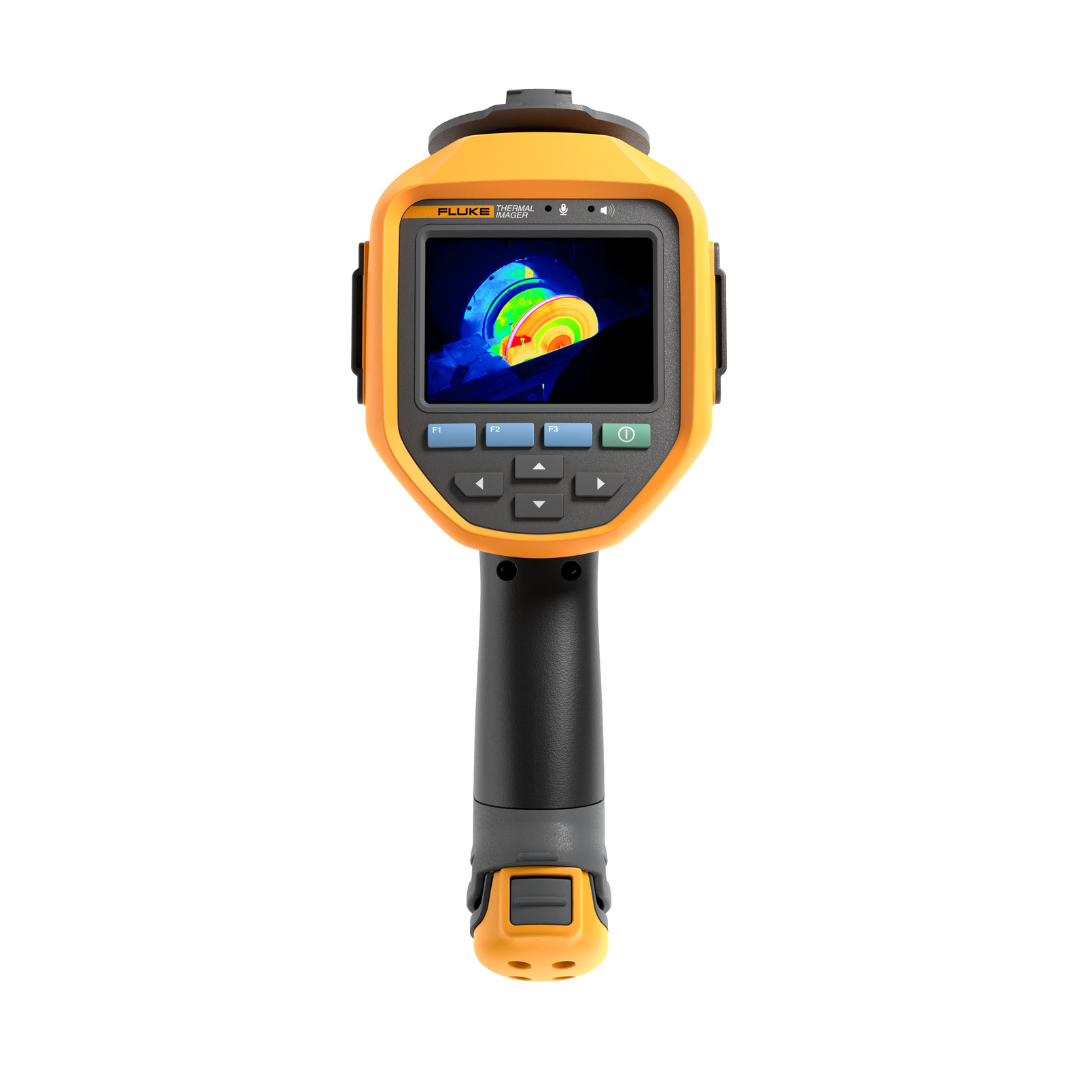
Fluke Ti480U Thermal Imagers
Fluke Ti401U Thermal Imagers
Analisis Suhu pada Proses Die Casting Rangka Mesin Motor dengan Fluke Ti480U
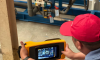
Proses Die Casting merupakan tahap penting dalam pembuatan rangka mesin motor. Kualitas hasil akhir sangat bergantung pada kestabilan suhu cetakan dan material saat proses berlangsung. Untuk memastikan konsistensi tersebut, tim kami melakukan inspeksi termal menggunakan kamera Fluke Ti480U, sebuah alat berteknologi tinggi yang mampu mendeteksi distribusi panas secara presisi.
Tujuan dan Metode Pengujian
Pengujian dilakukan untuk menganalisis sebaran suhu pada permukaan cetakan dan logam cair selama proses produksi. Data diambil pada jarak 1 meter, dengan suhu lingkungan sekitar 20°C dan kelembapan relatif 50%. Emissivity diset pada 1.00 untuk memastikan akurasi pembacaan pada permukaan logam.
Alat yang digunakan:
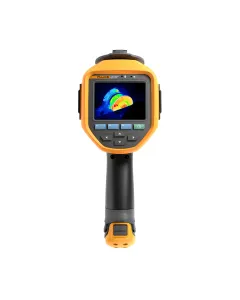
Fluke Ti480U Infrared Thermal Imager
Lensa L25 untuk fokus detail area sempit
Kondisi ambient stabil dan tanpa gangguan cahaya berlebih
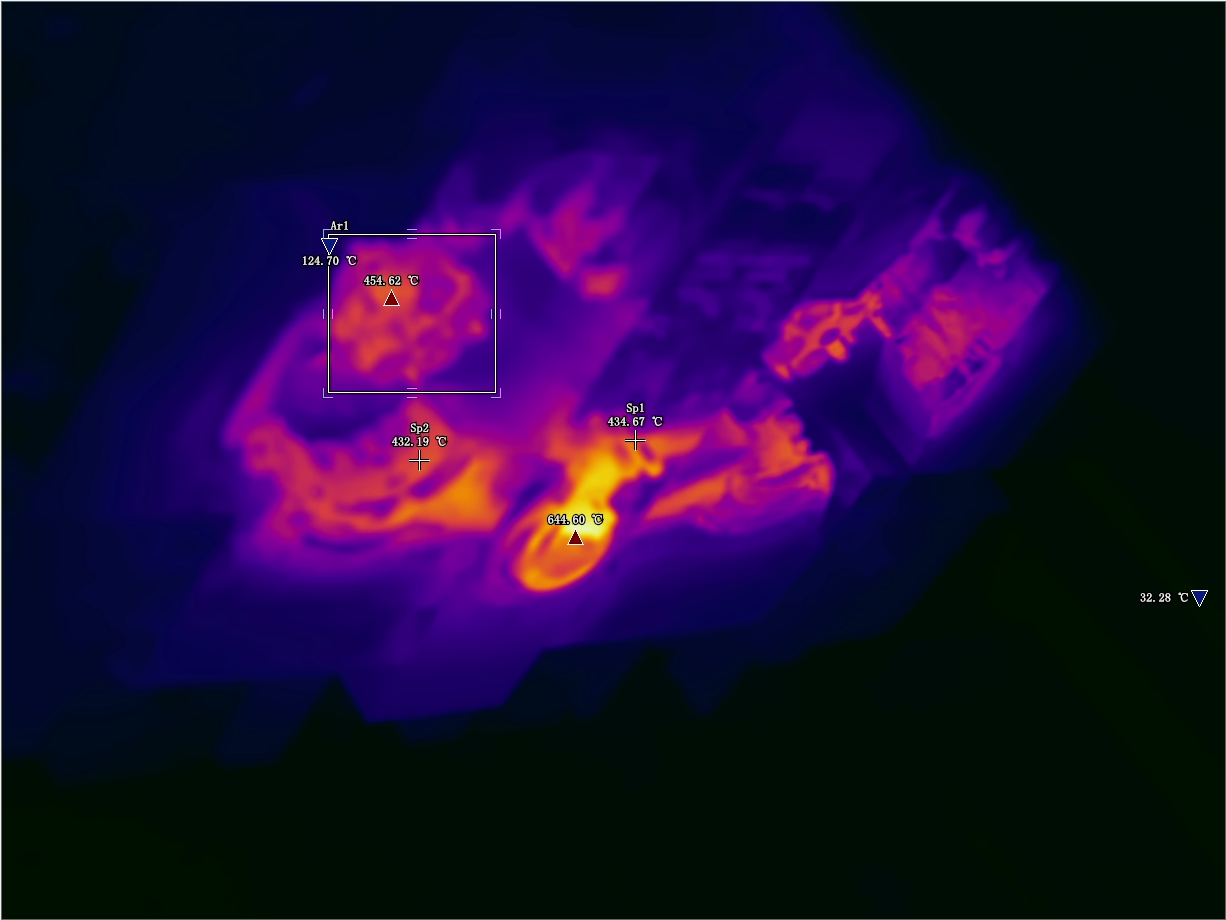
Infrared thermal image
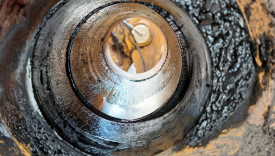
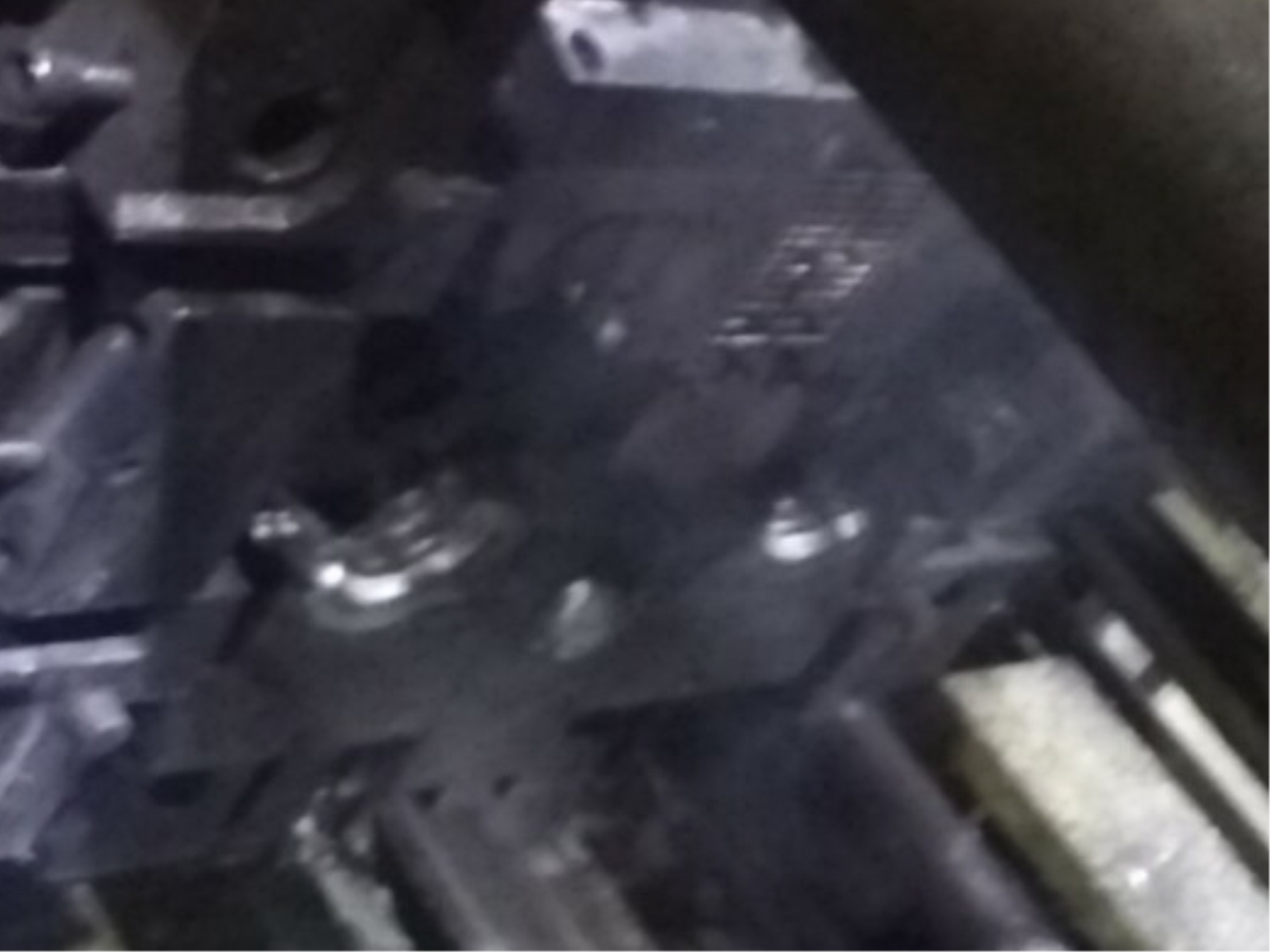
Visible light reference photo
Hasil Pengamatan
Citra termal menunjukkan adanya variasi suhu signifikan di beberapa titik pengukuran:
Suhu maksimum (global): 644.60°C
Area 1 (Ar1): 454.62°C
Titik 1 (Sp1): 434.67°C
Titik 2 (Sp2): 432.19°C
Dari hasil tersebut terlihat bahwa area inti cetakan mengalami suhu puncak yang tinggi, menunjukkan aktivitas transfer panas yang intens antara logam cair dan cetakan. Kondisi ini penting untuk menghasilkan hasil coran yang padat tanpa cacat porositas.
Analisis dan Diagnosis
Distribusi suhu yang merata menjadi kunci dalam menjaga kualitas dan presisi bentuk rangka mesin. Berdasarkan hasil citra termal, tidak ditemukan anomali berlebihan seperti hot spot ekstrem di luar batas wajar. Hal ini menandakan sistem pendinginan dan proses injeksi logam berfungsi dengan baik.
Namun, beberapa area dengan suhu relatif lebih tinggi tetap menjadi perhatian. Diperlukan pemantauan berkala untuk memastikan tidak terjadi keausan dini atau ketidakseimbangan suhu cetakan, yang dapat memengaruhi umur cetakan dan kualitas hasil produksi.
Kesimpulan
Penggunaan Fluke Ti480U Thermal Imager terbukti sangat membantu dalam proses kontrol kualitas die casting. Dengan kemampuan mendeteksi suhu hingga ratusan derajat secara real-time, tim dapat:
Mendeteksi potensi ketidakseimbangan termal lebih awal
Menyesuaikan parameter produksi dengan cepat
Memastikan hasil coran tetap konsisten dan bebas cacat
Optimalkan proses produksi Anda dengan inspeksi termal yang presisi!
Dengan Fluke Ti480U, setiap titik panas dapat terdeteksi sejak dini, menghemat waktu, biaya, dan meminimalkan risiko kegagalan.
Fluke Ti480U Thermal Imagers
Fluke Ti401U Thermal Imagers
English:
Temperature Analysis in Motorcycle Engine Frame Die Casting Process Using Fluke Ti480U
The die casting process is a critical stage in manufacturing motorcycle engine frames. The quality of the final product greatly depends on the stability of both the mold and material temperatures during operation. To ensure this consistency, our team conducted a thermal inspection using the Fluke Ti480U, a high-tech infrared camera capable of precisely detecting heat distribution.
Objective and Testing Method
The test was carried out to analyze temperature distribution on the mold surface and molten metal during production. Data were captured from a distance of 1 meter, under ambient conditions of approximately 20°C and 50% relative humidity. The emissivity was set to 1.00 to ensure accurate readings on metal surfaces.
Instruments used:
Fluke Ti480U Infrared Thermal Imager
L25 lens for detailed focus on narrow areas
Stable ambient conditions with minimal light interference
Infrared thermal image
Visible light reference photo
Observation Results
Thermal images revealed significant temperature variations at several measurement points:
Maximum temperature (global): 644.60°C
Area 1 (Ar1): 454.62°C
Spot 1 (Sp1): 434.67°C
Spot 2 (Sp2): 432.19°C
The results indicate that the mold’s core area experienced high peak temperatures, signifying intense heat transfer activity between the molten metal and the mold. This condition is essential for producing dense, defect-free castings without porosity.
Analysis and Diagnosis
Uniform temperature distribution is key to maintaining dimensional accuracy and casting quality. Based on the thermal imagery, no extreme anomalies such as excessive hot spots were detected, indicating that the cooling system and metal injection process are functioning properly.
However, some relatively higher-temperature areas still warrant attention. Regular monitoring is recommended to prevent premature mold wear or thermal imbalance, which could affect mold lifespan and production quality.
Conclusion
The use of the Fluke Ti480U Thermal Imager has proven highly effective in die casting quality control. With its ability to detect temperatures in the hundreds of degrees in real time, the team can:
Detect potential thermal imbalances early
Adjust production parameters quickly
Ensure consistent, defect-free castings
Optimize your production process with precise thermal inspection!
With the Fluke Ti480U, every heat point can be detected early — saving time, reducing costs, and minimizing the risk of production failure.